Introduction
In today's busy globe, being outfitted with the knowledge and abilities to take care of emergencies can make a substantial difference. Whether you are a parent, educator, coach, or just somebody who intends to contribute to security in your area, signing up in a first aid course is an outstanding action. This post will certainly guide you with what to anticipate throughout your emergency treatment course experience. From comprehending the educational program to the accreditation process, we'll cover everything you require to know about first help and CPR courses
What to Get out of Your Emergency Treatment Course Experience
When attending an emergency treatment course, it's all-natural to wonder what you'll find out and exactly how it will certainly exist. Usually, these programs include different topics varying CPR courses for healthcare professionals from standard first aid methods to innovative life assistance methods.
1. Recognizing the Program Structure
First help training courses differ in structure relying on the provider. Nevertheless, a lot of programs consist of academic lessons followed by practical sessions. You can expect:
- Interactive Learning: Engaging talks that enable concerns and discussions. Hands-On Practice: Opportunities to practice strategies like CPR on mannequins.
2. Important Subjects Covered
During your first aid course experience, you'll dive into critical topics such as:
- CPR Strategies: Knowing exactly how to carry out CPR properly can conserve lives. First Aid for Choking: Comprehending just how to assist someone who is choking.
3. Discovering Mouth-to-mouth Resuscitation: The Heart of First Aid
One vital facet of your training will certainly entail discovering cardiopulmonary resuscitation (CPR). This skill is invaluable throughout emergency situations when every 2nd matters. You'll find out:
- The relevance of early defibrillation How to analyze a sufferer's responsiveness The steps for grown-up, child, and infant CPR
4. Certification Process: What You Need to Know
After finishing your training, you'll likely obtain a first aid certificate which validates your skills. Right here's what you can anticipate:
- Completion of both written and practical exams. Recognition from regulating bodies like the Red Cross or St. John Ambulance.
5. Abilities You'll Gain Beyond First Aid
Enrolling in a first aid and mouth-to-mouth resuscitation course does not just equip you with emergency skills; it also fosters confidence and understanding in numerous scenarios:
- Improved decision-making under pressure Enhanced interaction skills for handling crises
Why Take a First Aid Course?
The advantages of taking a first aid course are countless. Whether you're taking a look at it purely from a personal development perspective or considering its professional applications, here are some engaging reasons.
6. Enhancing Office Safety
Many work environments require workers to have standard emergency treatment knowledge. By participating in these training courses:
- You add positively towards workplace safety. You'll be much better planned for emergencies that may occur on-site.
7. Fostering Area Well-being
Knowing first aid allows you not only to help loved ones but additionally neighbors and neighborhood members in times of need.
8. Preparing for Parenthood
HomepageFor brand-new parents, learning more about first aid can provide satisfaction when caring for children.
Common Mistaken beliefs Regarding First Aid Courses
Despite their importance, there are several mistaken beliefs surrounding emergency treatment programs that could prevent individuals from enrolling.
9. It's Only for Clinical Professionals
Many think that just medical professionals should take these training courses; nevertheless, anybody can benefit!
10. It's too Complicated
First help training is created for everybody! The techniques instructed are straightforward with plenty of hands-on practice.
The Duration of Emergency treatment Courses: A Breakdown
Another common query pertains to the length of time these training courses take.
|Training course Type|Period|| ------------------|-------------------|| Fundamental Emergency Treatment|6 - 8 hours|| Advanced Courses|12 - 20 hours|| CPR Courses|4 - 6 hours|
This table offers you an idea concerning time commitment depending on the kind of course.
What Should You Bring? Basics Checklist
When getting ready for your emergency treatment course experience, think about loading the following products:
Comfortable clothes appropriate for physical activity Notepad and pen for taking notes Water bottlePreparing Psychologically: Preparing yourself for Hands-On Training
Your mindset going into the program is just as vital as your prep work physically.
11. Accept the Knowing Curve
Don't hesitate if things appear overwhelming initially; remember that technique makes perfect!
12. Keep Open-Minded
You might come across circumstances that challenge your presumptions concerning emergency situation situations.
Frequently Asked Concerns (Frequently asked questions)
FAQ 1: What certifications do I receive at the end of my emergency treatment course?
Most approved training courses offer an acknowledged certificate upon completion, validating your abilities in emergency treatment and CPR.
FAQ 2: Exist age limitations for enrolling?
Generally, anybody over the age of 12 can register in standard first-aid training courses; nevertheless, consult certain carriers for age requirements.
FAQ 3: Can I take advanced programs without previous training?
It's advisable to finish basic training before taking on sophisticated subjects; this ensures foundational knowledge is solidified.

FAQ 4: Just how typically ought to I renew my certification?
Typically, it's suggested that you renew your certification every two years; nonetheless, details timing may differ by organization.
FAQ 5: Are on-line programs reliable contrasted to in-person training?
While online training courses can use flexibility and accessibility to information, they typically lack vital hands-on practice elements essential for mastering skills like CPR.

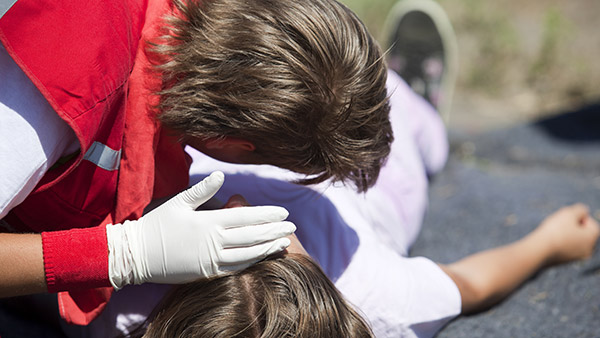
FAQ 6: Will certainly I discover how to make use of an AED?
Yes! The majority of thorough first-aid training courses consist of education and learning on using automatic external defibrillators (AEDs), which is essential during cardiac emergencies.
Conclusion: Equip Yourself With Knowledge
Completing a first aid course equips individuals with necessary abilities that might potentially conserve lives one day-- be it in your home or within the neighborhood setup! With correct understanding comes self-confidence; this self-confidence aids cultivate safer atmospheres anywhere we go!
By now, you have actually gathered insights on what to expect from your first-aid program experience As you start this trip towards becoming certified in life-saving techniques like mouth-to-mouth resuscitation or basic first-aid practices-- embrace every minute! Acting today could suggest making all the difference tomorrow when it counts most!